

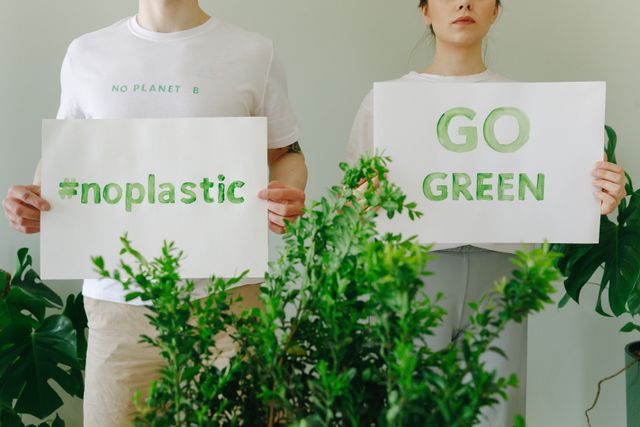
- Credible Green Marketing & Green Claims Compliance in 2026
- Turning Sustainability Action into Trusted Communication
At Global Green Sustainability Impact (GGSI), we help organisations communicate
sustainability with confidence. Our approach combines scientific assessment, sustainability strategy, data verification, reporting, and responsible marketing communication.
We help businesses turn real sustainability performance into credible, evidence-based
messages that build trust and reduce greenwashing risk.
Why Credible Green Marketing Matters
Consumers and stakeholders increasingly want to support responsible businesses. However, trust is becoming harder to earn. Many environmental claims in the market are vague, selective, exaggerated, or unsupported by evidence.
For businesses, this creates both a risk and an opportunity.
The risk is that weak or misleading sustainability communication can damage reputation, attract regulatory attention, reduce customer trust, and create accusations of greenwashing.
The opportunity is that businesses with genuine sustainability actions, clear data, and transparent communication can stand out in the market and build stronger stakeholder confidence.
Credible green marketing helps organisations:
- Build customer and investor trust
- Strengthen brand reputation
- Support ESG and sustainability reporting
- Respond to buyer and supplier requirements
- Reduce greenwashing risk
- Improve audit and certification readiness
- Communicate real progress with confidence
- Differentiate from competitors through verified impact
1.275+
Using our services
20+
Branch office
Lorem ipsum dolor sit amet, consectetur adipiscing elit. Ut elit tellus, luctus nec ullamcorper mattis, pulvinar dapibus leo.
Ready to turn sustainability goals into practical action?
Talk to GGSI about your organisation’s priorities — whether you are starting with a gap assessment, building an ESG roadmap, measuring carbon or water impacts, improving waste performance, preparing for certification or strengthening sustainability reporting.
What Is Greenwashing?
Greenwashing happens when a business gives the impression that a product, service, project, or organisation is more environmentally responsible than it really is.
Greenwashing is not always intentional. It often happens because of weak data, poor internal communication, overenthusiastic marketing, missing documentation, unclear boundaries, or lack of technical review.
Common examples include:
- Using words like “green,” “eco-friendly,” or “sustainable” without explanation
- Claiming “carbon neutral” without showing the method, boundary, reduction plan, and offset approach
- Promoting one positive action while ignoring a larger negative impact
- Making claims based only on one part of the product lifecycle
- Saying “recyclable” when recycling is not realistically available in the market
- Using environmental logos or symbols without verification
- Comparing performance without explaining the baseline or calculation method
- Publishing sustainability claims that are not supported by records, data, or evidence
What Credible Green Marketing Looks Like in 2026
Credible sustainability communication must be more than attractive wording. It must be supported by real performance and clear evidence.
At GGSI, we believe credible green marketing should be based on the following principles:
01
Evidence-Based Claims
Every environmental claim should be supported by data, records, calculations, policies, certificates, supplier evidence, test reports, lifecycle information, or recognised methodologies.
If the claim cannot be proven, it should be improved, qualified, or removed.
02
Clear and Specific Language
Claims should be easy to understand and should avoid vague or broad statements.
Instead of saying:
“Our hotel is eco-friendly”
A stronger claim would be:
“Our hotel reduced grid electricity consumption by 18% compared with the 2023 baseline through LED lighting, staff switch-off procedures, and solar hot water use.”
Specific claims are more credible because they explain what changed, how it was measured, and what the boundary is.
03
Defined Boundaries
A sustainability claim should clearly explain what it refers to.
For example:
- Is the claim about the whole company or one product?
- Does it cover one hotel or all properties?
- Does it include Scope 1, Scope 2, and Scope 3 emissions?
- Does it cover production only or the full lifecycle?
- Is the claim based on annual data, monthly data, or estimated data?
Clear boundaries reduce misunderstanding and protect both the business and the customer.
04
Lifecycle Thinking
Environmental impacts do not happen at only one stage. A product or service may have impacts from raw materials, manufacturing, transport, use, disposal, water use, waste, land use, and supply-chain activities.
Credible green marketing considers the wider lifecycle and avoids presenting only the most positive part of the story.
05
Consistency Across All Communication Channels
A business should not say one thing in its sustainability report, another thing on its website, and something different in a sales proposal.
GGSI helps organisations align sustainability claims across:
- Websites
- Brochures
- ESG reports
- Sustainability reports
- Social media
- Product labels
- Supplier questionnaires
- Hotel guest communication
- Investor presentations
- Certification documents
Consistency builds trust and reduces risk.
06
Internal Governance and
Approval
Green claims should be reviewed before publication.
GGSI recommends that organisations create a simple internal approval process where sustainability, operations, compliance, and marketing teams work together before publishing environmental claims.
A good green claims governance system should include:
- A responsible person or team
- A claim register
- Evidence files
- Data source records
- Review dates
- Approval records
- Version control
- Periodic re-checking of claims
GGSI supports organisations that want to communicate sustainability responsibly and professionally.
Green Claims Review
Sustainability Evidence Review
Greenwashing Risk Assessment
Sustainability Marketing Content Development
Carbon and Climate Claim Support
Product and Service Claims Support
Sustainability Report Communication
Training for Marketing and Management Teams
Standards and Frameworks We Consider
Depending on the project scope, GGSI can align green claims and sustainability communication with recognised principles, frameworks, and international standards, including:
- ISO 14021 – Self-Declared Environmental Claims
- ISO 14064-1 – Organisational Greenhouse Gas Accounting
- ISO 14067 – Product Carbon Footprint
- ISO 14068-1 – Carbon Neutrality Claims
- ISO 14040 & ISO 14044 – Life Cycle Assessment (LCA)
- GHG Protocol
- GRI-Based Sustainability Reporting
- ESG Reporting Expectations
- GSTC, Travelife, Green Key & Good Travel Seal – Hospitality Sustainability Standards
- Green Claims Code Principles
- International Buyer & Supply Chain Sustainability Requirements
Industries We Support
Hotels and
resorts
Villas and boutique properties
Travel and tourism businesses
Manufacturers and exporters
Banks and financial institutions
Construction and property developers
Logistics and transport companies
IT and
BPO companies
Food and beverage businesses
Education and training institutions
GGSI Approach
01
Understand the Claim
02
Check the Evidence
03
Assess the Risk
04
Improve the Message
05
Build the Evidence File
06
Train the Team
Example: From Weak Claim to Credible Claim
Weak Claim
Improved Claim
Stronger Data-Based Claim
“Our hotel reduced total electricity consumption by 15% compared with the 2023 baseline through LED conversion, solar hot water use, guest room switch-off procedures, and monthly energy monitoring.”
The strongest claims are specific, measurable, time-bound, and supported by evidence.
Why Choose GGSI?
GGSI brings together scientific knowledge, sustainability consulting, practical implementation experience, and responsible marketing communication.
We understand that businesses need to promote their sustainability achievements. However, those achievements must be communicated honestly, accurately, and with evidence.
Our role is to help organisations move from general sustainability statements to credible sustainability communication that can stand up to stakeholder, buyer, auditor, investor, and regulatory scrutiny.
Our Message
Green marketing in 2026 is not about saying more. It is about proving more.
The future belongs to businesses that can show real action, real data, and real improvement.
Global Green Sustainability Impact (GGSI) helps organisations communicate sustainability with credibility, confidence, and clarity.
GGSI – Shaping Tomorrow’s Climate, One Solution Today.