
- WATER FOOTPRINT ASSESSMENT
A Water Footprint Assessment is a structured evaluation of an organisation’s direct and indirect water use. It helps measure water consumption, efficiency, wastewater impact, and pollution risks across business operations and, where relevant, the supply chain. This assessment may include blue water, green water, and grey water impacts, supporting alignment with recognised approaches such as ISO 14046 Water Footprint Assessment.
At GGSI, we provide practical and professional Water Footprint Assessment services to help businesses understand how water is used, where losses occur, and how water-related impacts can be reduced. Our sustainability consultants assess operational water use, wastewater management, water efficiency practices, and potential environmental risks. We then develop clear improvement actions to reduce consumption, improve monitoring, support compliance, and strengthen ESG and sustainability reporting.
GGSI helps your organisation manage water responsibly, reduce operational costs, protect natural resources, and build a more sustainable and resilient business.
WHY WOULD AN ORGANISATION UNDERTAKE A WATER FOOTPRINT ASSESSMENT?
A Water Footprint Assessment helps organisations understand how water is used, where water is wasted, and how water-related impacts can be reduced. For businesses, water is not only an environmental issue; it is also linked to cost control, regulatory compliance, business continuity, stakeholder trust, and long-term sustainability performance.
At GGSI, we support organisations in assessing water use, wastewater impacts, water efficiency, and water-related risks in a practical and measurable way.
A Water Footprint Assessment helps organisations align with recognised water management approaches such as ISO 14046 and relevant local, regional, and international environmental requirements. It also supports ESG reporting by providing reliable water-related data for sustainability disclosures.
For businesses working with international clients, investors, tourism partners, or supply chains, water impact data is becoming increasingly important. GGSI helps organisations prepare accurate water information, improve documentation, and strengthen compliance readiness.
Water assessments help identify where water is being overused, wasted, or poorly managed. This may include leaks, inefficient equipment, excessive cleaning water, poor irrigation practices, uncontrolled wastewater discharge, or lack of monitoring.
GGSI supports organisations in developing practical improvement actions such as water-saving practices, water-efficient technologies, reuse systems, better monitoring records, staff awareness, and process optimisation. These actions can reduce water consumption, lower operating costs, and improve overall resource efficiency.
Many sectors, including hospitality, agriculture, manufacturing, food processing, construction, and industrial operations, depend heavily on reliable water access. In water-stressed areas, poor water management can create operational risks, community concerns, and environmental pressure.
A Water Footprint Assessment helps businesses understand their water dependency and take action before water scarcity becomes a serious business risk. GGSI helps organisations identify high-risk areas, reduce freshwater dependency, improve wastewater practices, and support responsible water stewardship.
Responsible water management is a key part of sustainability performance. Customers, investors, regulators, certification bodies, and local communities increasingly expect businesses to show how they protect natural resources.
By undertaking a Water Footprint Assessment, an organisation can demonstrate its commitment to responsible water use, pollution prevention, and environmental protection. GGSI helps businesses communicate their water sustainability efforts clearly, credibly, and without greenwashing.
Water and carbon are closely linked. Pumping, heating, treating, and transporting water all require energy. Therefore, reducing water consumption can also support energy savings and climate-related goals.
A Water Footprint Assessment complements Net Zero and broader sustainability strategies by identifying opportunities for water reuse, wastewater reduction, closed-loop systems, rainwater harvesting, and improved resource efficiency. GGSI helps organisations build a more integrated sustainability approach that connects water, energy, waste, carbon, and operational performance.
Our assessment helps organisations reduce unnecessary water consumption, improve operational efficiency, manage water-related risks, support ESG reporting, and demonstrate responsible water stewardship.
1.275+
Using our services
20+
Branch office
Lorem ipsum dolor sit amet, consectetur adipiscing elit. Ut elit tellus, luctus nec ullamcorper mattis, pulvinar dapibus leo.
Ready to turn sustainability goals into practical action?
Talk to GGSI about your organisation’s priorities — whether you are starting with a gap assessment, building an ESG roadmap, measuring carbon or water impacts, improving waste performance, preparing for certification or strengthening sustainability reporting.
Our key service functions

Analysis

Strategy

Water Usage Review
FULL WATER FOOTPRINT ANALYSIS
Direct Water Use
Indirect Water Use
Blue Water
Green Water
Grey Water
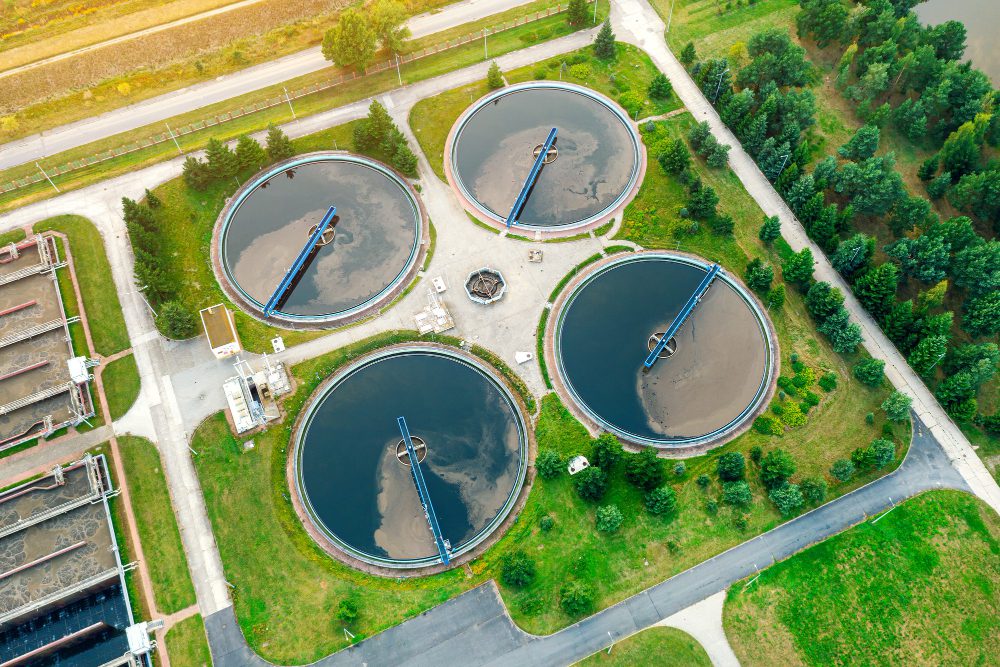
In water footprint assessment, grey water refers to the amount of freshwater required to dilute or manage pollutants to meet acceptable water quality standards. GGSI reviews wastewater, chemical use, discharge practices, and pollution risks to help organisations reduce environmental impact.
Call us anytime
0761-8523-398
- What We OFFERING
WATER FOOTPRINT ASSESSMENT
Net Zero 2050 Commitment
Net Zero 2050 Commitment
Carbon Reduction Strategies
Carbon Reduction Strategies
Sustainable Business Transformation
Sustainable Business Transformation
Nature-Based Carbon Solutions
Nature-Based Carbon Solutions
Community Empowerment
Community Empowerment
Green Economic Opportunities
Green Economic Opportunities
- About Net Water Footprint
WHY WOULD AN ORGANISATION UNDERTAKE A WATER FOOTPRINT ASSESSMENT?
1.275+
Using our services
20+
Branch office
Lorem ipsum dolor sit amet, consectetur adipiscing elit. Ut elit tellus, luctus nec ullamcorper mattis, pulvinar dapibus leo.

- Lorem ipsum dolor
Awards & Recognitions
Lorem ipsum dolor sit amet, consectetur adipiscing elit. Ut turpis ex, efficitur id convallis at, tincidunt vitae arcu. Mauris sed neque nec ipsum finibus hendrerit at in mauris. Nam sollicitudin sapien lorem, a venenatis quam facilisis non. Quisque id ex vulputate, commodo purus id, laoreet ex. Duis nisl felis, porta in tristique eget, finibus eu orci. Nunc tempus nisi ut ligula feugiat semper. Fusce molestie hendrerit odio, ac accumsan augue gravida in. Morbi sollicitudin nisi nisi, id iaculis sem imperdiet tempor. Pellentesque habitant morbi tristique senectus et netus et malesuada fames ac turpis egestas. Donec sed porta urna. Etiam consectetur faucibus libero vel dapibus. Mauris bibendum ornare mollis. Maecenas ac justo vel eros maximus viverra a vitae lorem.
Lorem ipsum dolor sit amet, consectetur adipiscing elit. Ut turpis ex, efficitur id convallis at, tincidunt vitae arcu. Mauris sed neque nec ipsum finibus hendrerit at in mauris. Nam sollicitudin sapien lorem, a venenatis quam facilisis non. Quisque id ex vulputate, commodo purus id, laoreet ex. Duis nisl felis, porta in tristique eget, finibus eu orci. Nunc tempus nisi ut ligula feugiat semper. Fusce molestie hendrerit odio, ac accumsan augue gravida in. Morbi sollicitudin nisi nisi, id iaculis sem imperdiet tempor. Pellentesque habitant morbi tristique senectus et netus et malesuada fames ac turpis egestas. Donec sed porta urna. Etiam consectetur faucibus libero vel dapibus. Mauris bibendum ornare mollis. Maecenas ac justo vel eros maximus viverra a vitae lorem.
1.275+
Using our services
20+
Branch office
Lorem ipsum dolor sit amet, consectetur adipiscing elit. Ut elit tellus, luctus nec ullamcorper mattis, pulvinar dapibus leo.
- Lorem ipsum dolor sit amet
FULL WATER FOOTPRINT ANALYSIS
01
Direct Water Use
02
Indirect Water Use
03
Blue Water
04
Green Water
05
Grey Water
Call us anytime
0761-8523-398
Outcome of the Assessment
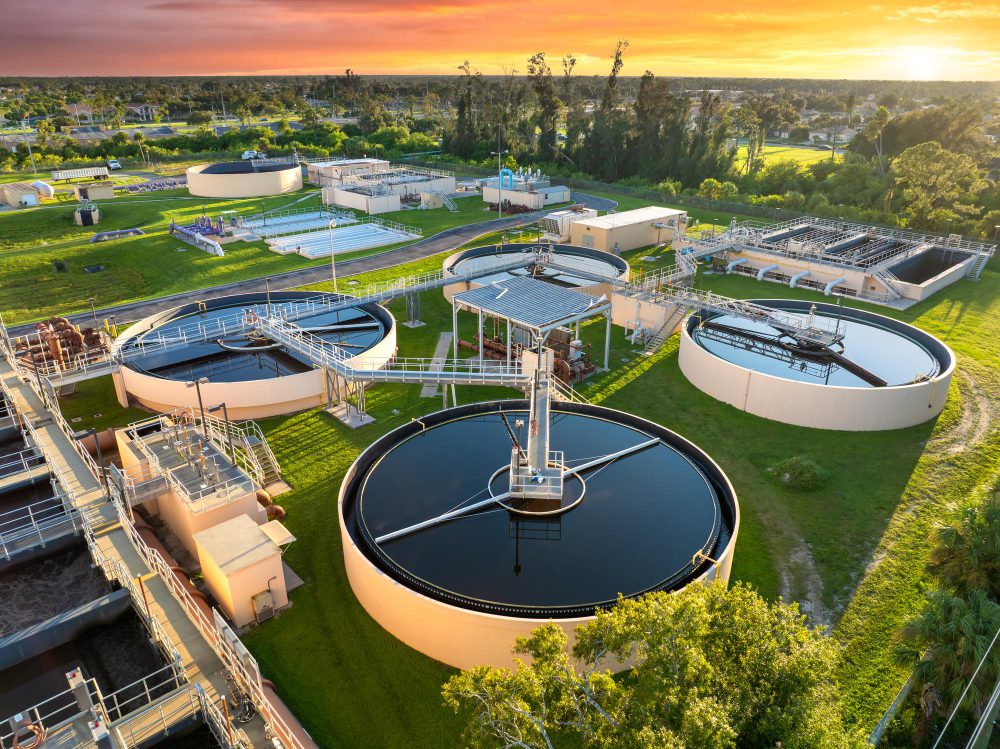
At the end of the assessment, GGSI provides clear findings, water hotspots, improvement opportunities, and a practical action plan. This enables your organisation to reduce water consumption, improve monitoring, lower operational risks, support ESG reporting, and build a more sustainable and water-responsible business
general question About NET ZERO SOLUTIONS
A water footprint measures the total amount of freshwater used by an organisation, product, process, or service. It includes both direct water use, such as water used in daily operations, and indirect water use, such as water used in the supply chain. It also considers water consumption and pollution impacts.
A Water Footprint Assessment reviews how water is used, consumed, discharged, and managed across business activities. It includes analysis of water withdrawals, operational water use, wastewater generation, pollution risks, and indirect water impacts linked to suppliers or outsourced services. This helps businesses clearly understand their overall water impact.
ISO 14046 provides internationally recognised principles and guidelines for conducting water footprint assessments. It uses a life-cycle-based approach to evaluate water use and water-related environmental impacts. GGSI supports organisations in aligning their assessment approach with ISO 14046 requirements and good sustainability reporting practices.
Measuring your water footprint helps your business reduce water consumption, improve efficiency, manage water scarcity risks, lower operational costs, and strengthen compliance readiness. It also supports ESG reporting, sustainability certification, stakeholder communication, and responsible water stewardship. It demonstrates that your organisation is taking practical action to protect water resources.
After the assessment, GGSI provides practical recommendations such as leak detection, water-efficient equipment, process optimisation, staff awareness, wastewater reduction, water recycling, rainwater harvesting, and reuse systems. These actions help reduce freshwater dependency, improve operational efficiency, minimise pollution, and support long-term sustainability goals.
GGSI provides professional consultancy support for Water Footprint Assessments, including data collection guidance, water use analysis, wastewater and pollution review, water risk identification, ISO 14046-aligned reporting support, mitigation strategies, and practical water management action plans. Our goal is to help your business manage water responsibly, reduce impacts, and improve sustainability performance.